
The Spicy Jersey Italian Sub That Dares You to Eat It!
Imagine standing at the deli counter in Cranford, New Jersey.
The smell of cured pork, sharp cheese, and vinegar hangs in the air. You place your order, but you aren’t just getting lunch. You are about to hold a heavy, two-handed monument to flavor.
Let’s talk about the sandwich. Not just any sandwich – THE sandwich.
The Italian sub.
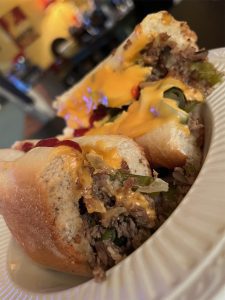
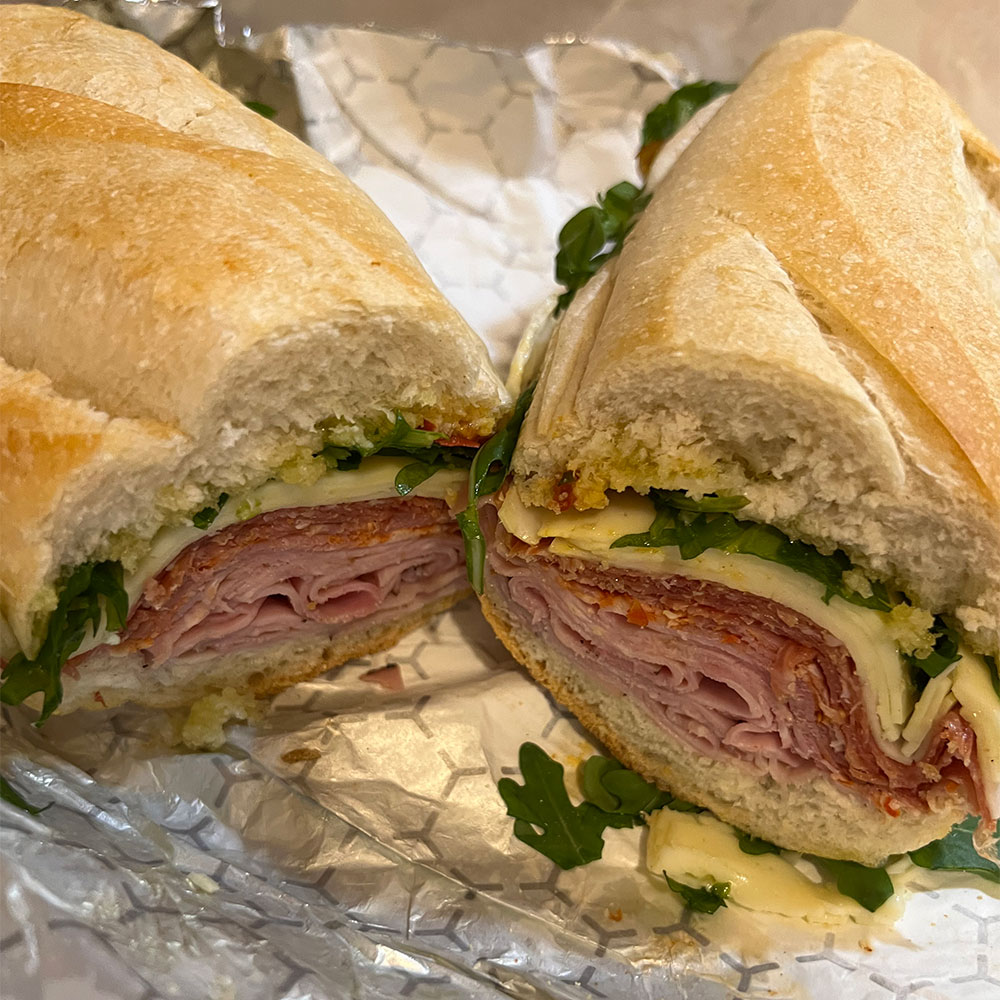
It starts with the bread—specifically, old-fashioned, brick-oven baked bread brought in straight from the best Brooklyn bakeries. It has a crust that fights back just a little bit before giving way to a soft, chewy center.
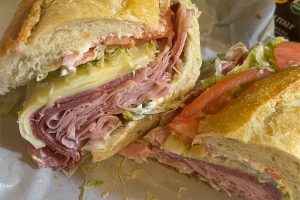
On this perfect foundation goes a precise, generous layering of meats: sweet and tender “happy ham” (the kind that brings an immediate smile), the slow-burning spice of pepper ham, and the rich, oily heat of hot soppressata.
Next comes the cheese. You need something to anchor the spice, and sharp provolone does exactly that, melting slightly into the meats.
But a great sandwich needs contrast, so a massive handful of fresh, peppery baby arugula goes right on top.
Then comes the heat and the acid. Hot cherry peppers are scattered across the greens, offering sharp, vinegary fireworks in every single bite.
A heavy drizzle of rich, green Extra Virgin Olive Oil (EVOO) ties the dry ingredients together.
But if you want to eat this Italian sub the right way, you have to be daring. When the person behind the counter asks if you’re good to go, you look them in the eye and ask for extra cherry peppers and a heavy splash of aged balsamic vinegar.
The dark, sweet, syrupy balsamic cuts through the aggressive heat of the peppers and the fat of the cured meat, creating a flavor profile that hits every single note on your palate. Grab a stack of napkins. You’re going to need them.
From Italy to Your Plate: The Deep Roots of a Deli Classic
The sandwich you are eating didn’t just appear out of thin air. It is a culinary time capsule, packed with the rich, complicated history of Italian-American culture.
Back in the late 19th and early 20th centuries, waves of Italian immigrants settled into the United States. They brought very little with them, but they held tightly to their food culture—specifically their love for dry-cured meats, aged cheeses, and crusty bread.
These ingredients were cheap, shelf-stable, and incredibly filling. They formed the exact foundation for what we now know as the Italian sub.
The sandwich took on different names depending on where those immigrants settled.
Up in New England, specifically around Maine and Connecticut, Italian-American communities started making “grinders.”
These were originally made with whatever leftover meats and cheeses were sitting around, stuffed into long, tough rolls that took serious jaw strength to chew through—hence the name.
Down in Philadelphia, the “hoagie” was born. Legend has it that Italian immigrants working at the Hog Island shipyard during WWI packed massive sandwiches for their shifts.
Over time, the “Hog Island sandwich” became the “hoagie.”
By the mid-20th century, the post-WWII economic boom changed the food landscape. High-quality cured meats and fresh cheeses became easier to get, and families had more disposable income to spend on filling, delicious meals.
The sandwich started showing up everywhere. The generic term “submarine sandwich,” or just “sub,” likely caught on because the long, rounded bread looked exactly like the naval submarines stationed at nearby shipyards.
Regional Twists and the New Jersey Standard
Today, every region has its own rules for the Italian sub.
In Philadelphia, a hoagie relies heavily on impossibly thin-sliced meat and a signature oregano, oil, and vinegar dressing.
Out on the West Coast, you might find some very non-traditional additions like avocado or alfalfa sprouts sneaking under the bread.
But in New York and New Jersey, the classic Italian sub is practically a religion. It is a no-nonsense combination of premium Italian meats, sharp provolone, and “the works” (lettuce, tomato, onion, oil, vinegar, and seasoning).
Which brings us back to that spicy, balsamic-soaked masterpiece. If you want to find it, you need to head to the Jersey suburbs.
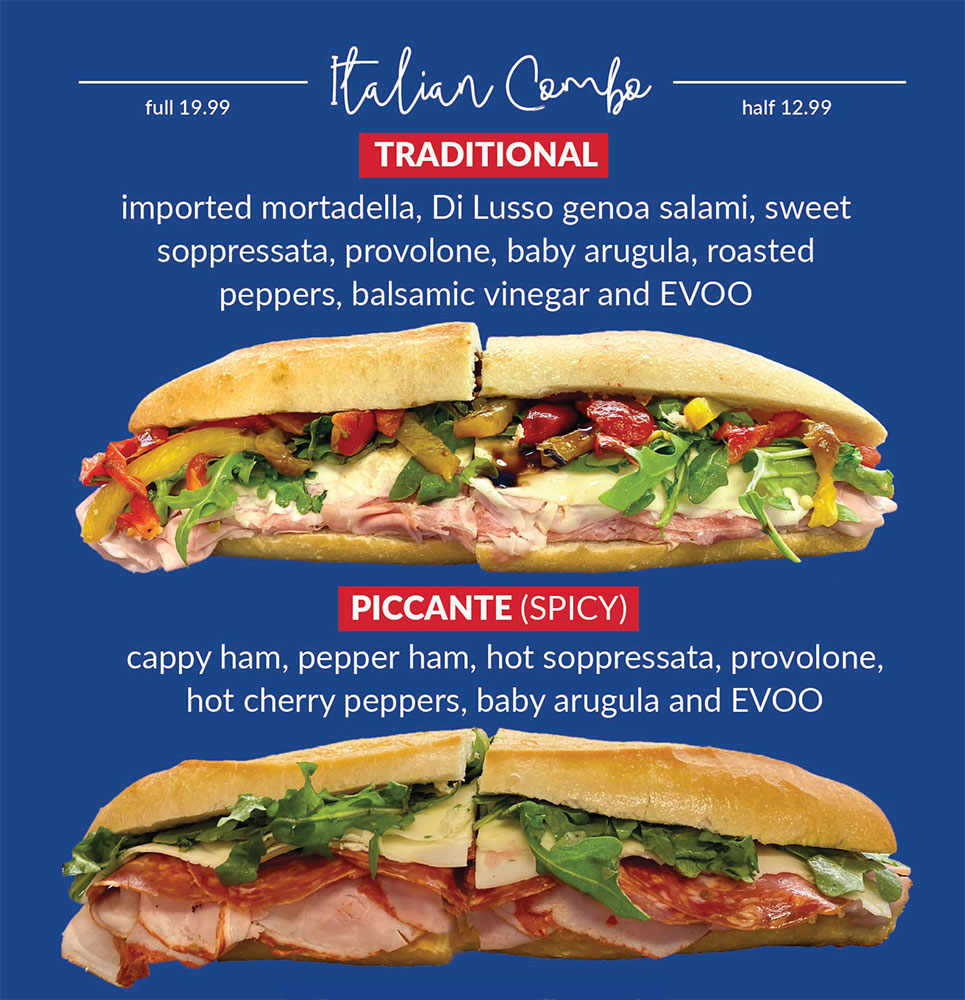
Image courtesy of Pastosa Ravioli menu – prices may not be current.
Pastosa Ravioli: A Brooklyn Tradition in Cranford
Located right in the center of Downtown Cranford at 200 South Avenue East, you’ll find the 10th location of Pastosa Ravioli. Owned by Anthony Ajello—the grandson of the original founder—and his wife Miranda Ajello, this shop is doing something special.
Pastosa isn’t a new concept. It is a third-generation, family-owned business that has been serving up authentic Italian food since it opened in Brooklyn in 1966.
Now, they are bringing that same commitment to quality, freshness, and family tradition to New Jersey. (They also have spots in Florham Park at 186 Columbia Turnpike and Eatontown at 315 NJ-35).
When you order a sandwich at Pastosa (like one of several varieties of the Italian sub), you aren’t getting mass-produced ingredients.
They build their subs and wraps fresh daily using only the best: Boar’s Head cold cuts, Bell & Evans poultry, handmade mozzarella that is pulled on-site, imported Italian cured meats, and fresh produce sourced from local farms.
Whether you want traditional Italian bread, French, Semolina, or Focaccia, they have you covered.
And if you have dietary restrictions, they don’t leave you out. They offer vegetarian and gluten-free choices with absolutely no added preservatives.
You can even get that giant, spicy Italian sub masterpiece turned into a wrap using white flour, spinach, or whole wheat tortillas.
The Italian sub is a symbol of resilience and adaptability. It started in working-class immigrant neighborhoods and fought its way to becoming a staple of American food culture.
The next time you walk into Pastosa, ask for the hot soppressata, the happy ham, the pepper ham, and the arugula.
Ask for the extra cherry peppers and the balsamic. Take a bite, and enjoy a real slice of Italian sub history.
Don’t like spicy? There are plenty of other sandwiches on the menu – varieties of the Italian sub and many, many more.
Essentials for the Ultimate Sandwich Kitchen (Available on Amazon)
Want to recreate the deli experience at home? Want to make your own Italian sub? Here are some top-tier gear and pantry staples to get you started.
Note: The links below will take you directly to live search results for these premium product categories on Amazon.
The Professional’s Serrated Bread Knife
A good sub requires crusty bread, and a dull knife will crush your sandwich before you even take a bite. You need a high-carbon steel serrated knife that slices cleanly through tough semolina crusts without tearing the soft interior.
Heavy-Duty Wooden Deli Cutting Board
You need plenty of runway to build a proper Italian sub. A massive, end-grain wooden cutting board provides a sturdy, knife-friendly surface that catches breadcrumbs and olive oil spills like a pro.
Artisan Aged Balsamic Vinegar of Modena
If you are going to want balsamic on your sandwich, make it count. Skip the watery grocery store stuff and invest in a thick, syrupy, aged balsamic from Modena, Italy. It brings the perfect balance of dark fruit sweetness to cut through spicy meats.
The secret weapon of our star sandwich. Keep a large jar of sliced, hot cherry peppers in your fridge at all times. They provide the sharp, vinegary heat that makes the fatty meats pop.
Stop pouring oil straight from the plastic bottle. A glass cruet with a precision pour spout gives you total control, ensuring your sandwich gets a perfect drizzle of Extra Virgin Olive Oil without turning the bread to mush.
Authentic Italian Sandwich Herb Blend
“The works” requires the right seasoning. A classic blend of dried oregano, basil, garlic, and red pepper flakes is the exact dust you need to finish off your oil and vinegar dressing.
Home Deli Meat Slicer (for the Italian sub master)
If you want an Italian sub with paper-thin pepper ham and soppressata at home, a knife won’t cut it. A compact, electric home deli slicer allows you to buy bulk cured meats and shave them fresh for maximum flavor and texture.
Unbleached Parchment Sandwich Wrappers
A tight wrap is crucial for letting the juices and oils soak into the bread. Grab a box of commercial-grade, unbleached parchment sheets to wrap your sandwiches tightly before slicing them in half.
Sometimes you want your sandwich hot. A heavy cast iron panini press (the kind you heat on the stove and press down manually) will melt your provolone and crisp up your Brooklyn bread beautifully.
Fresh, peppery arugula makes or breaks a rich sandwich. With a simple indoor hydroponic or soil-based grow
Disclaimer: This blog post contains affiliate links. If you click on one of these links and make a purchase, I may earn a small commission at no additional cost to you. As an Amazon Associate I earn from qualifying purchases. Thank you for your support!
Sources:
- The Submarine Sandwich (Wikipedia): A comprehensive overview of how the “sub” got its name, including the widely accepted theories regarding naval shipyards and its evolution across different regions.
- The Hoagie: From Humble Beginnings to a Philadelphia Icon (The Fresh Works): A great deep-dive into the World War I origins of the hoagie, specifically focusing on the Italian immigrants working at the Hog Island shipyard.
- The Working Class Origins Of The Grinder Sandwich (Food Republic): Explores the New England roots of the “grinder,” tracing it back to Italian shopkeepers in Connecticut and the dock workers who found the crusty Italian bread tough to chew through.
- Grinders, Subs, and Spuckies | Sandwich Names of New England (Yankee Magazine): A fun look at the regional dialect and how different areas of the East Coast settled on entirely different names for the exact same sandwich.
Pastosa Ravioli History & Cranford Location
- Pastosa Ravioli Cranford (Official Site): The official landing page for the Cranford, NJ location owned by Anthony and Miranda Ajello, featuring their hours, contact info, and store offerings.
- Our Story – Pastosa Ravioli (Official Site): The detailed family history of Pastosa, beginning with founder Anthony G. Ajello selling Polly-O cheese before opening his first Brooklyn store in 1966.
- A Brooklyn Family, Bonded By Dough (The Brooklyn Ink): A great journalistic look into the Ajello family dynamics, their 1970s Bensonhurst flagship store, and how the younger generations expanded the business.
- Pastosa Ravioli Celebrates A Half Century of Quality and Tradition (Patch): An article covering the brand’s 50th anniversary in 2016, noting their expansion into the New Jersey suburbs while maintaining their Brooklyn roots.